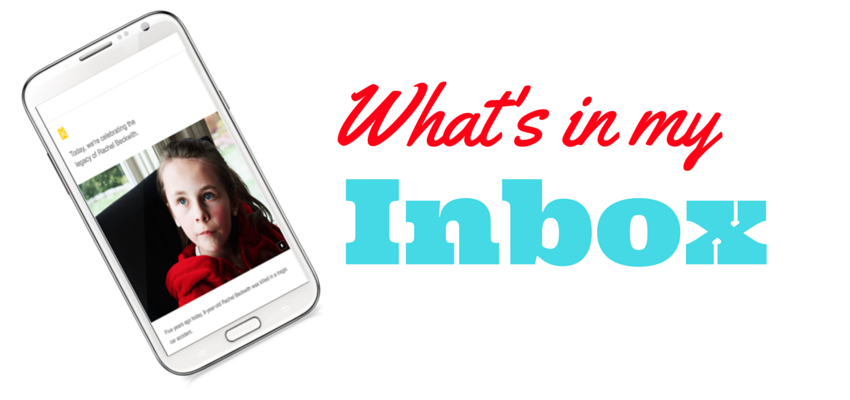
I get a lot of “meh” fundraising emails. But every once in a while, one lands in my inbox and I think, yes. This is how it’s done.
That happened this week with an email from the Wikimedia Foundation. I’m a monthly donor to Wikipedia and have been for awhile. On Tuesday morning, I got an email from “Lisa from Wikipedia” asking me to add a little more to my monthly gift.
Here’s the thing to keep in mind. As a donor, I was not annoyed. I was not turned off. As a fundraiser, I was impressed.
Let me show you exactly why, and what you can steal for your own monthly giving upgrade appeals.
First, a Quick Look at the Numbers
Before we dig in, here’s something worth sitting with.
Wikipedia told me right in the email that only 2% of readers donate at all. And even fewer give monthly.
That means every single one of your monthly donors is extraordinary. They are not the norm. They are your most loyal, most committed supporters.
And they deserve to be treated that way. Wikipedia gets this and this email reflects it.
5 Things Wikipedia Did Right in This Upgrade Email
1. The Subject Line Did Heavy Lifting
The email landed with this subject line: “Pamela, you are one of our most impactful supporters.”
Not “We need your help.” Not “Will you give more?” Not even “Thank you, Pamela.”
You are one of our most impactful supporters. That’s a statement about me. My identity. My value.
And it works because it’s true. Monthly donors are impactful. They keep the lights on. They make planning possible. They’re the backbone of a sustainable organization.
Lead with that. Don’t save it for the middle of the email. Put it in the subject line where it belongs.
2. Gratitude Came First. The Ask Came Later.
So many upgrade emails skip straight to “here’s what we need from you.”
The email opened with warm, specific, genuine gratitude. Lisa told me she was grateful. She reminded me that my support matters. She said my monthly giving has a significant impact. And then, only after she’d made me feel seen and valued, did she make her ask. This is the right order. Always.
Gratitude → Impact → Ask. Not the other way around.
3. The Impact Story Was Specific and Vivid
Here’s where a lot of nonprofits drop the ball. They say things like “your gift helps people” and call it a day. Wikipedia didn’t do that.
They told me exactly what my support makes possible:
- Tools that help volunteers find and fix errors on Wikipedia pages
- Resources that help teachers show students how to spot bias in the media
- Training that helps librarians bring Wikipedia’s resources to their whole community
And then this line: “Your monthly gift helps protect the future of human knowledge — in 340+ languages, on every inhabited continent on earth.”
340+ languages. Every inhabited continent. That is scale. That is scope. That gives me chills. Your donors need to feel the bigness of what they’re part of. Give them that.
4. The Ask Was Humble, Specific, and Low-Barrier
Here’s the actual request: “Will you consider adding $1, $5, or $10 to your monthly gift?”
Look at what they did: They gave me options. $1, $5, $10, or “other amount.” I can say yes at any level. There’s no wrong answer.
They made it small. One dollar. That’s it. The lowest bar possible. Nobody feels bad about adding a dollar. They showed me my current gift. The email included a “Monthly Donor Card” that displayed my current $5/month. This is smart. It anchors the conversation. It says: Look at what you already do. Can you just do a tiny bit more?
And then there’s this line — and I love this line: “If you aren’t able to give any more today, then please let me express my deepest thanks for giving what you can already.” They gave me permission to say no.
5. The Signature Wasn’t From “The Team”
The email was signed by Lisa Seitz Gruwell, Deputy to the CEO, Wikimedia Foundation. Not “The Wikipedia Team.” Not “The Fundraising Department.” A real human being with a title that signals this message matters.
When someone important at your organization takes the time to write to a donor personally, it carries weight. It communicates: you are worth the attention of our leadership.
Use real names. Use real titles. Make it personal.
One More Brilliant Touch: The P.S.
At the very bottom of the email, Lisa added a postscript: “If you’d prefer to make an additional one-time donation today instead, we sincerely thank you for your gift.”
This is the door left open for people who can’t or won’t upgrade their recurring gift. It’s not pushy. It’s gracious. And it captures revenue that might otherwise walk out the door.
Always, always include a P.S. in your fundraising emails. And always give your donors an alternative path to yes.
What You Can Do Right Now
You don’t have to be Wikipedia to pull this off. In our programming and in my work with clients, I always recommend one to five separate monthly giving campaigns over the course of a year. Some clients use direct mail because that is how their donors respond. Others use email. And others use a mix.
- If you have a monthly giving program, and I hope you do, here’s your homework:
- Write your monthly donors a personal upgrade email. Use a real name as the sender.
- Lead with their identity. They are extraordinary. Say so.
- Tell them exactly what their gift makes possible. Be specific.
- Make the ask small and give them options. $1. $3. $5. Whatever makes sense for your donor base.
- Give them permission to say no, and watch how often they say yes instead.
Your monthly donors are your most loyal people. They’ve already said yes once. Sometimes all they need is a gentle, grateful, well-timed nudge. Wikipedia reminded me of that this week. Now go remind your donors.

Click here to download the annotated email
And, if you’re looking to start or grow your nonprofit’s monthly giving program, consider hiring a Fractional Fundraising professional to get started.


 View Pamela Grow's profile
 I can’t wait to meet with you personally.
Comments on this entry are closed.